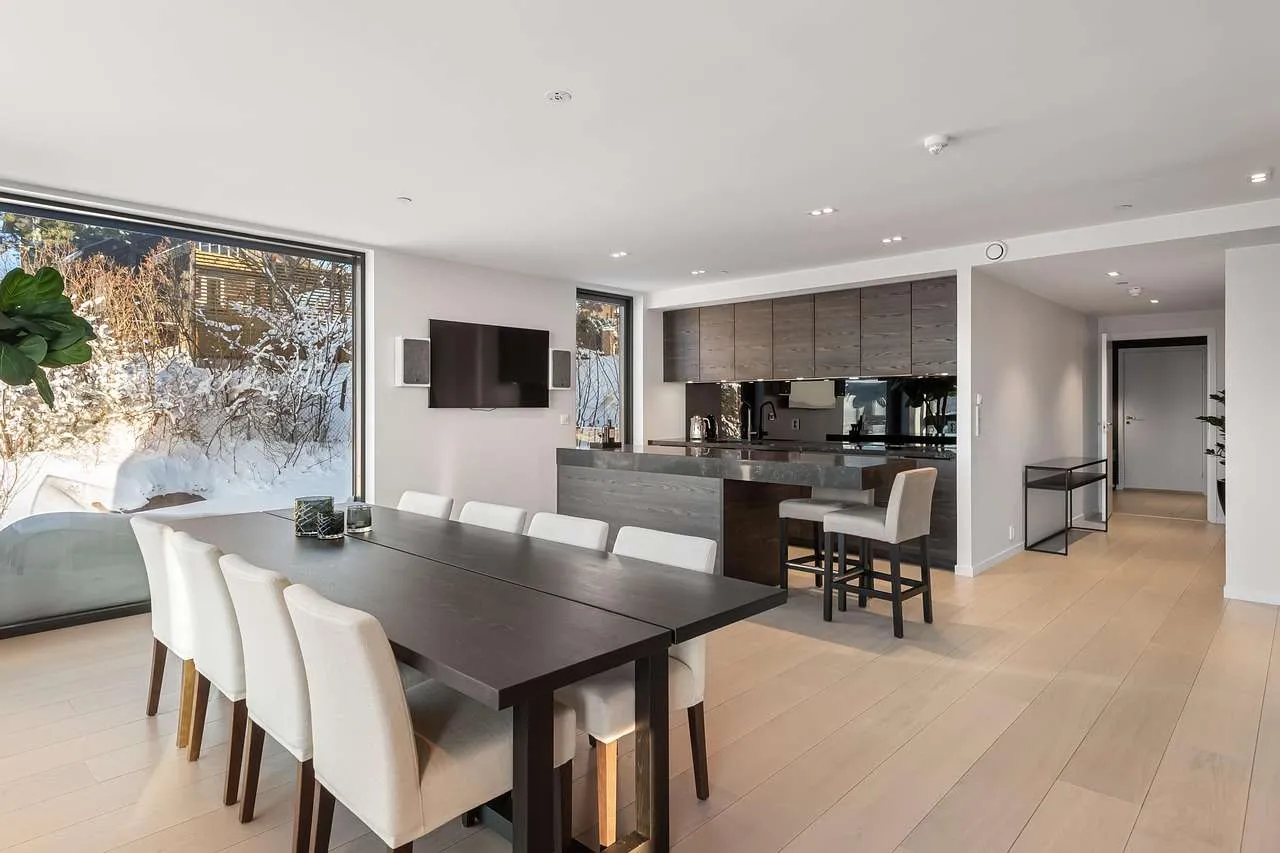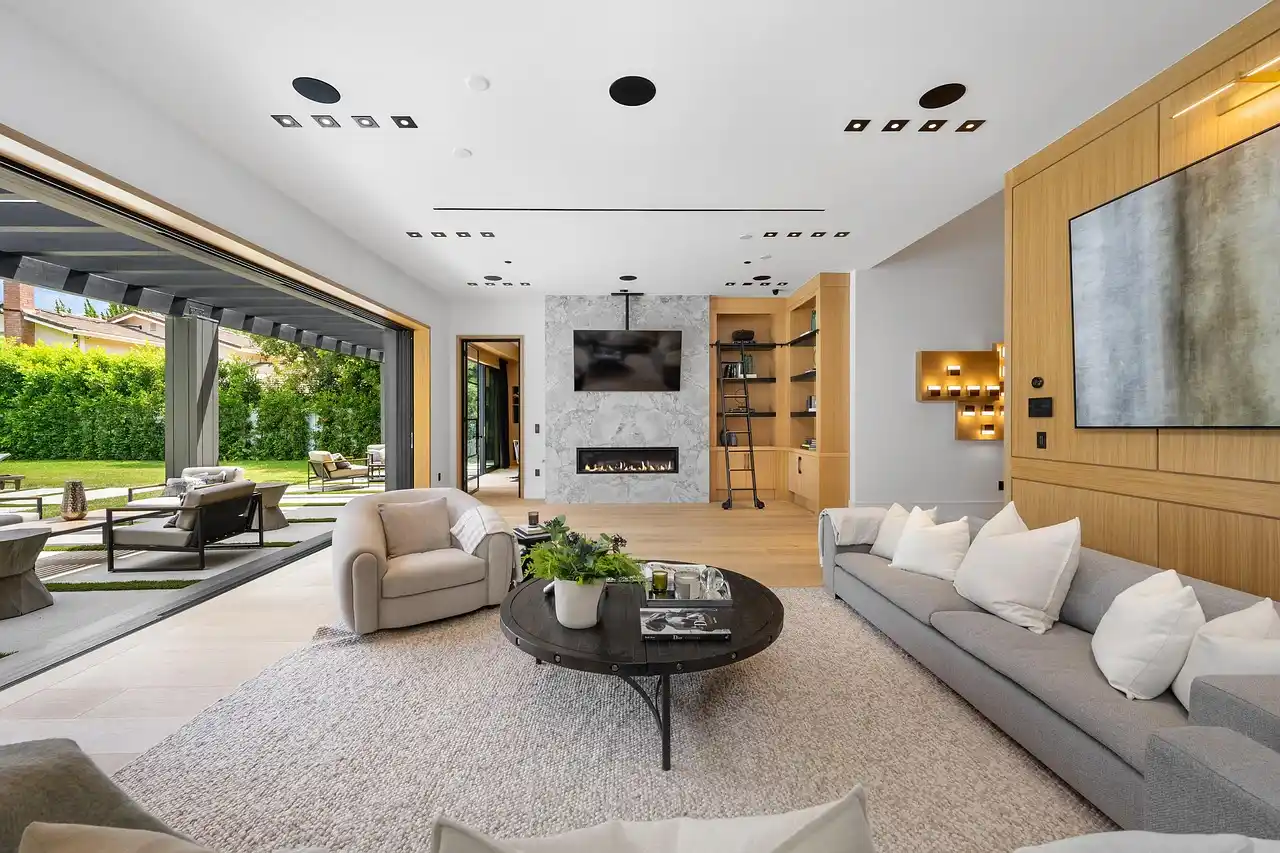
Finding home window tinting near me is about more than a quick fix. Homeowners want local, reliable pros who deliver quality film, proper installation, and a service experience they can trust. By choosing a nearby installer you can reduce wait times for service, visit showrooms or get sample films, and support your local economy. This article explains how to evaluate options, what tinting can do for comfort and savings, and how to work with trusted professionals who meet EEAT standards.
Choosing a local window tinting pro
Start with licensing and warranty. Ask for a written estimate and a scope of work that outlines surface preparation, film type, and an installation plan. Look for installers who provide manufacturer certifications and proof of insurance. Reading recent customer reviews and viewing photo galleries helps verify quality. A reputable local company with active service in your area understands climate, code requirements and the best product lines for your home. This is a core part of EEAT trust and authority.
Tinting options and what to expect
Residential tint films come in several families. Dyed films are affordable and improve privacy, but they may fade or change color over time. Metalized films reflect heat and reduce infrared load, but they can interfere with devices if installed on certain panes. Ceramic films offer high heat rejection with minimal interference and excellent clarity, though they cost more. Carbon films balance heat control and color stability. A professional will tailor the choice to your energy goals, privacy needs, and visible aesthetics.
Compare options
| Feature | Ceramic | Dyed | Metalized |
|---|---|---|---|
| UV rejection | High | Moderate | High |
| Heat rejection | Excellent | Moderate | Very good |
| Glare reduction | Very good | Moderate | High |
| Signal interference | Minimal | None | Possible |
| Longevity | Best | Medium | Good |
| Cost per sq ft | High | Low | Medium |
What to expect during installation
During installation, technicians measure your glass, clean and prep surfaces, and apply the film with precision to avoid bubbles. They trim edges and heat the film to conform to curves for a smooth finish. Most residential projects are completed in a day or two, depending on window count and film type. Aftercare involves keeping surfaces dry during curing and avoiding abrasive cleaners that may scratch the film for a period of time.
Cost and warranty considerations
Costs vary by film type, window size, and local rates. A typical residential project may range from affordable to premium depending on the brand and film family. Warranty terms vary by manufacturer and installer, commonly covering fading, peel, bubbles, and adhesive failure for a period of five to twenty years. Always request a written warranty, read the exclusions, and verify what is required to keep coverage in force.
Maintenance and safety
Keep tinted panes clean with mild soap and water and a soft cloth. Avoid ammonia based cleaners that can degrade some films. Inspect edges annually for peeling and contact your installer if you notice air pockets or bubbling. Avoid attempting DIY removal that can damage glass. A trusted local pro offers service calls if issues arise.
For best results, work with a local pro who offers transparent pricing, clear timelines, and aftercare guidance. A documented process and a warranty indicate reliability and EEAT alignment.
Conclusion, with the right partner you gain energy savings, UV protection, privacy, and a polished look for your home while keeping costs transparent and service reliable. By checking licensing, viewing project galleries, and selecting the film that fits your climate and lifestyle, you maximize the value of home window tinting near me.